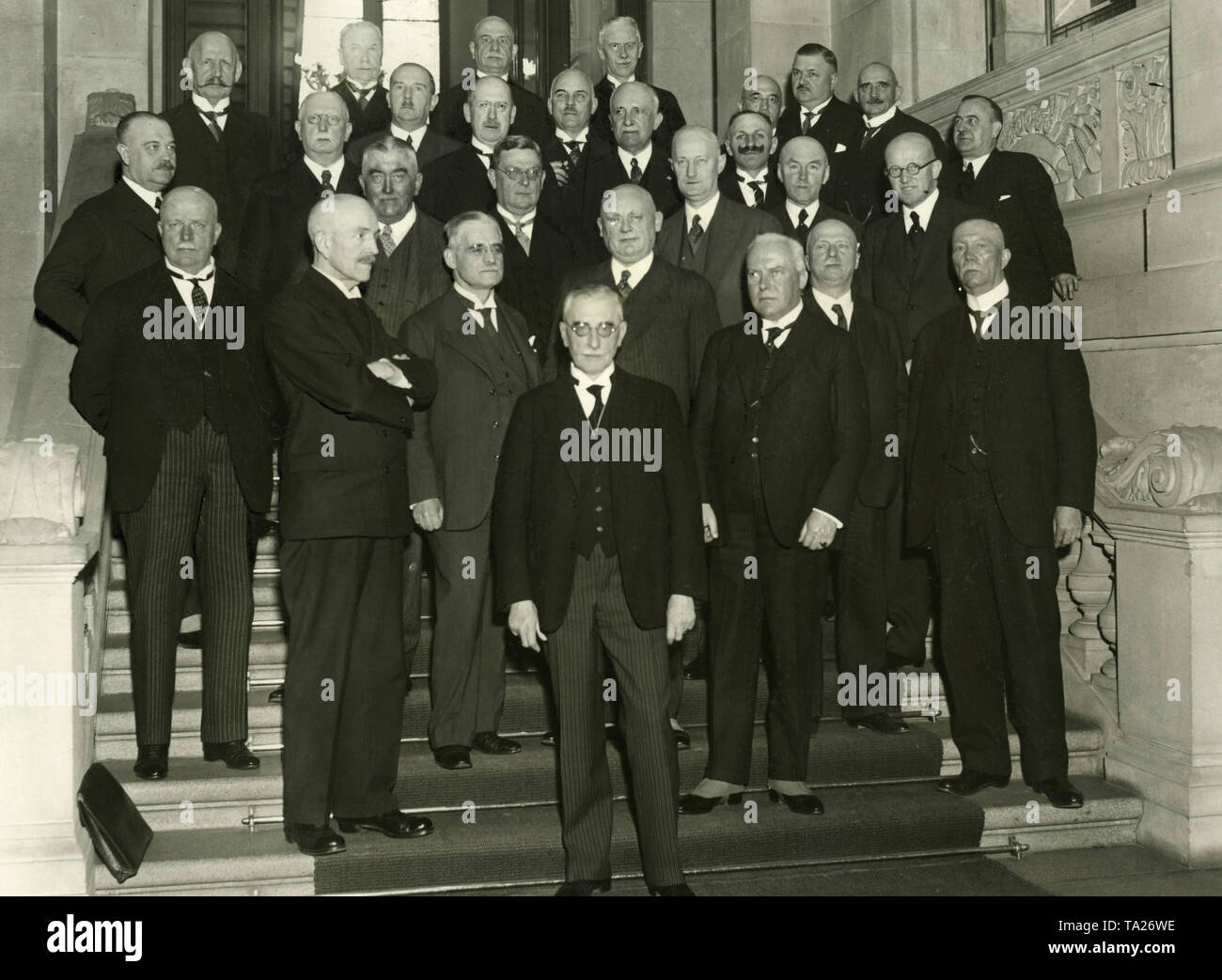
The Prussian State Council of Nazi Germany (German: Preußischer Staatsrat) was an advisory body to the Prussian minister president from 1933 to 1945. It was the successor to the Weimar Republic body of the same name that represented the interests of Prussia's provinces in the legislative process. In Nazi Germany its members were either appointed by Prussian minister president Hermann Göring or were members as a result of their official positions in the state of Prussia. The Council met only six times and ceased to exist with the end of Nazi rule in 1945.
History
Background
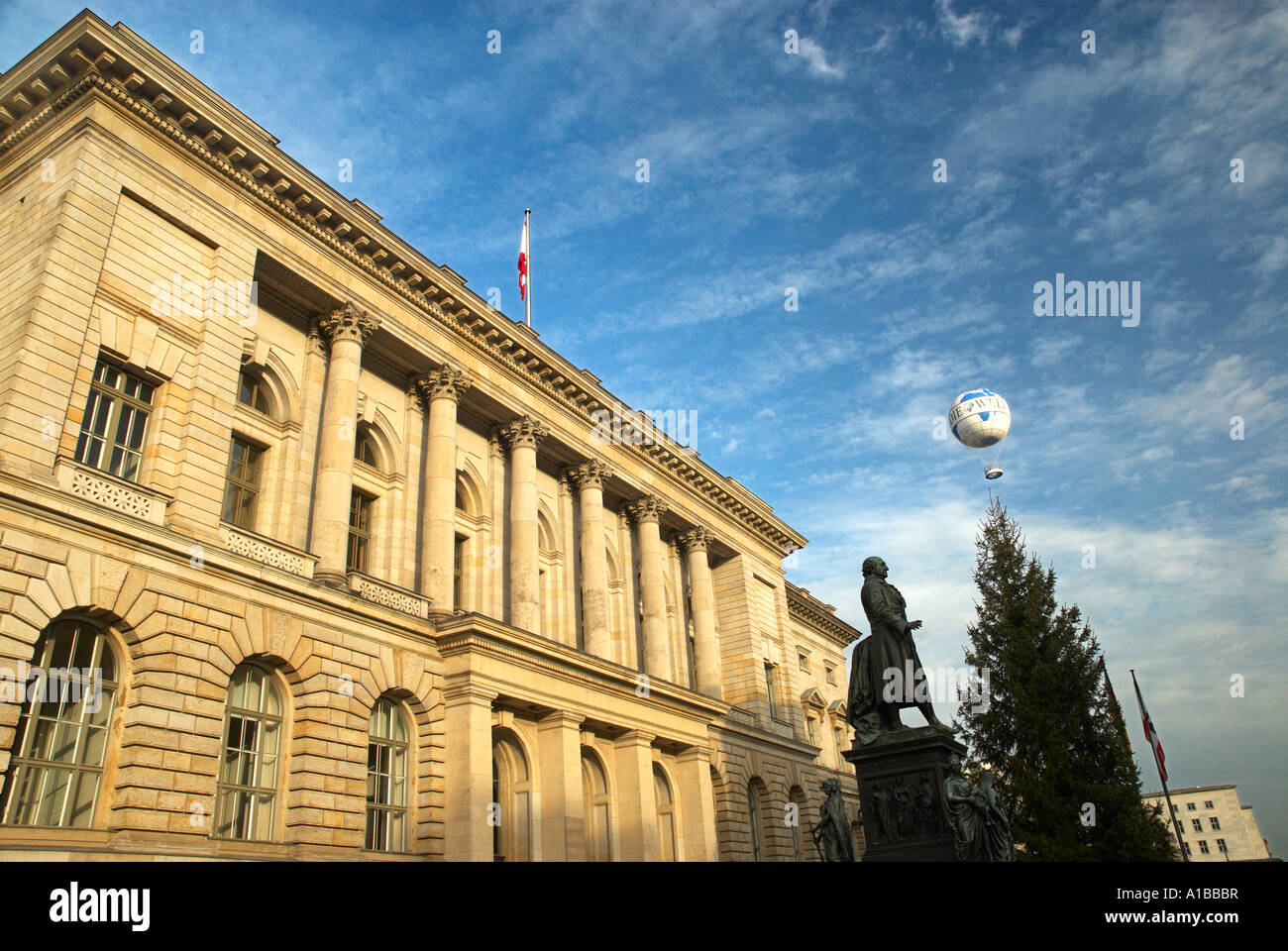
During the Weimar Republic, the Prussian State Council was the second chamber of the bicameral legislature of the Free State of Prussia. Its members were elected by the Prussian provincial parliaments to represent the interests of the provinces at the state level.
With the elections to the Prussian state parliament (Landtag) that were held in parallel with the national Reichstag elections on 5 March 1933, and also with the elections to the Prussian provincial parliaments held on 12 March 1933, the Nazi Party was able to secure the necessary majority in the Landtag and in the State Council to pass a Prussian enabling act on 18 May 1933. It gave the Prussian state government the same powers at the state level that the Reich government had received at the national level through the Enabling Act of 24 March 1933. The Prussian minister president was authorized to make and implement laws without the involvement of the legislature. Through the enabling act, the State Council was deprived of its co-legislative and co-executive functions. Article 15 of the Law on the Prussian State Council of 8 July 1933 dissolved the State Council in its previous form.
The National Socialist State Council and its membership
The Law created a new body in line with the National Socialist worldview. The new State Council was a purely advisory body that by law consisted of (1) members by virtue of office (ex officio members, § 2 1.) and (2) members who were appointed by Hermann Göring in his capacity as Prussian minister president (§ 2 2.). All members were awarded the title of State Councilor (Staatsrat). Members by virtue of office were the Prussian minister president and the government ministers. Appointed members were to include the Prussian state secretaries as well as certain other office holders, among whom were the Stabschef of the SA, the Reichsführer-SS and all the Gauleiter of the Prussian Gaue. Other appointed members were to be drawn from among representatives of churches, business, labor, science, art and other "men of merit".
Members had to be males at least 25 years old with German citizenship and a residence in Prussia. For those who were members by virtue of office, membership ended by leaving office. Appointed members' terms were ended by death, resignation, or dismissal by Göring. Members of the State Council received an expense allowance of 1,000 Reichsmarks per month (from 1 April 1936, ℛℳ 500).
In his extensive biographical study of the members of the Prussian State Councils, German historian Joachim Lilla listed 122 known members of the State Council of Nazi Germany. This included 11 ministers, 19 state secretaries and 92 other appointed members. Of the total membership, 78 joined the State Council in 1933, with the first appointments taking place on 11 July. Another 40 individuals were added between 1934 and 1939, with only 4 additions being made after that year, the last in August 1943. Over the years, the membership fluctuated as a result of deaths, departures from office, resignations and dismissals (including that of Göring himself on 23 April 1945). A total of 31 members died in office (including 4 that were executed during the Night of the Long Knives and 7 suicides in the closing days of the Second World War). There were approximately 60 individuals still technically in office as Prussian State Councillors following the surrender of Nazi Germany on 8 May 1945.
Meetings
Only six meetings of the State Council were held. It met for the first time on 15 September 1933 for a ceremonial opening in the auditorium of the Friedrich Wilhelms University in Berlin, before reconvening for a working session the next day at the New Palace, Potsdam where all subsequent meetings would be held. The second meeting was held on 12 October 1933 and the third on 18 June 1934, with a report by the minister of finance on Prussia's financial situation. The fourth session was convened on 21 March 1935, the second anniversary of Potsdam Day commemorating the reopening of the Reichstag building following the fire of February 1933, and the fifth was on 25 June 1935. The last session was held on 5 March 1936.
End of the State Council
After the March 1936 session, the State Council was no longer convened, although it continued to exist. In August 1943, Albert Hoffmann was the last member appointed. With the fall of the National Socialist state in May 1945, the State Council also effectively came to an end. On 25 February 1947, the Allied Control Council promulgated Control Council Law No. 46, which stated: "The Prussian State together with its central government and all its agencies is abolished." This formally put an end to the State Council.
Text of the law establishing the State Council
See also
- List of Members of the Prussian State Council of Nazi Germany
Notes to the text
References
External links
- The New Palace, Potsdam